
Cheekbone reduction
Smooth side line,
unevenly spaced lines
Instead of creating a vaguely tiny face,
cheekbone reduction surgery aims
to create a clean side line.
By carefully cutting the bones and pressing them
inwards during proper surgery,
stability may be ensured
and a speedy recovery can be anticipated
if the zygomatic arch is created in the cheekbones.
Reduction effect UP, slimline UP
only when the cheekbones
are properly rotated
Cutting just enough to insert the bone
and repositioning it at the proper angle will enhance
the cheekbone reduction effect. Side effects or
modest decrease outcomes are probable
if the cheekbones are not restored
or if they are overcut.

Surgical Details

Operation
time
1 hour

Anesthesia
method
General
anesthesia

Hospitali
-zation
None

Stitch
removal
None

In-hospital
treatment
2-3 times

Recovery
period
About
5 days
Add expertise to
systematic systems
A precise diagnostic
and 3D-CT imaging
result comparison
before
and after surgery
Able to anticipate
how a patient will look
after surgery using
3D Vectra scanning
Design suited
to individual features
Prevention of
infection by minimizing
operation time
Safe surgery,
safe management
system
From the physician’s
system surgery to
post-surgery progress
and check-up
management
It is crucial to cut it
to size
and press it in by turning
it at the right angle
What is wrong with the current surgical method?
-
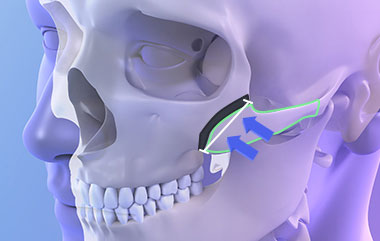 When the cheekbones
are not tilted when putThe surgical impact is
minimal if it is connected
without changing
the angle -
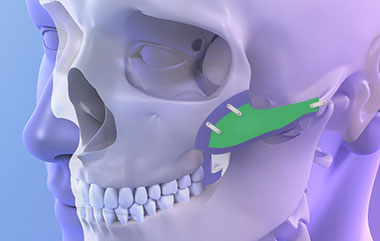 Excessive
cheekbone removalNon-union is quite
likely if a lot of space
is left
and it doesn't
stick properly. -
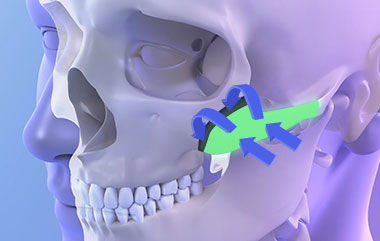 When being
too pressedThere is a very strong
probability that
asymmetry,
sinking,
and sinking will occur.
Personalized
safety surgery
based on
three-dimensional
research
Personalized
safety surgery
based on
three-dimensional
research
Perfect cut and angle
By angling the cut bone properly,
you may improve the line.
Cutting the cheekbones as much as possible
will not make them slimmer.
It is vital to excise just enough to fit the bone
and twist it at the proper angle
in order to increase
the breadth of the face when seen from the front
as well
as to produce a smooth side line.
Without adjusting the angle,
excessive bone resection
could not have much of a reducing effect.
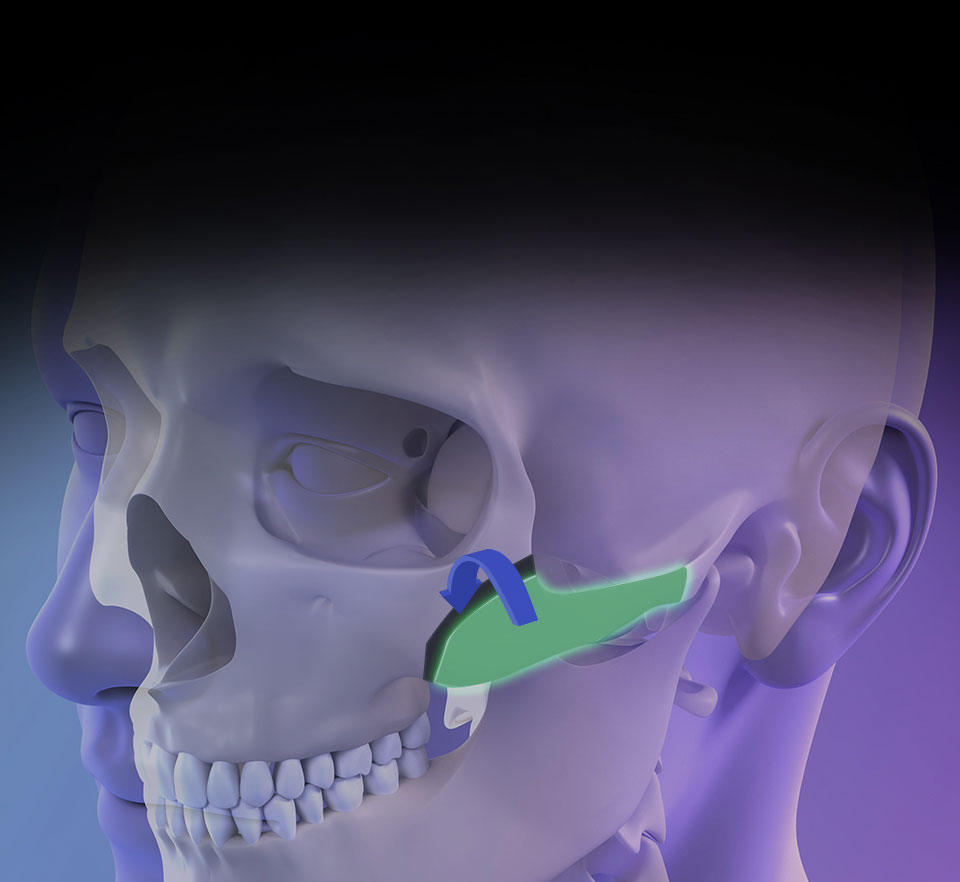
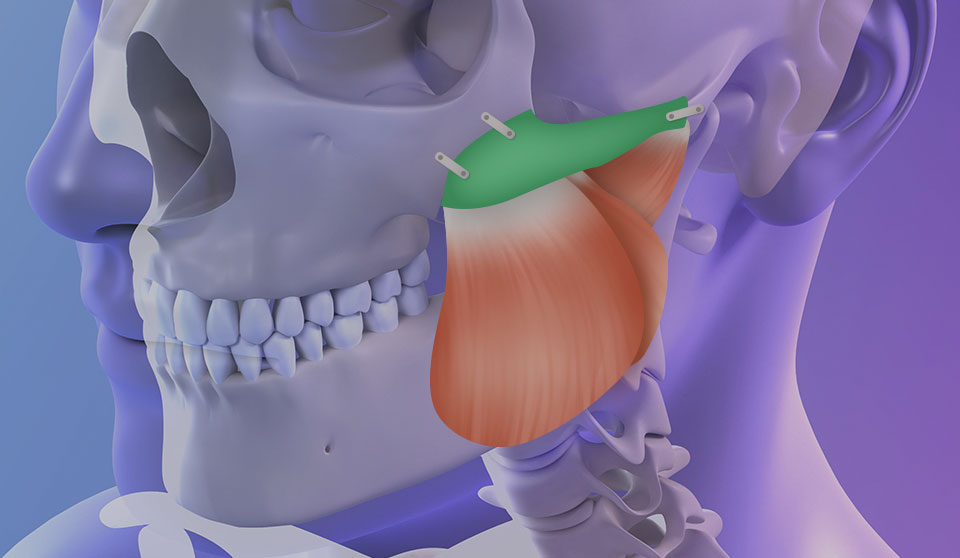
Plate double fixation
Stable daily life through secure fixation
A more stable fixation is necessary
since the cheekbones and masticatory
muscles are linked.
The cheekbones
that are not firmly fixed are likely
to come down
with the moving masticatory muscles
and result in side effects because the masticatory
muscles are attached to the cheekbones upward
and descend posteriorly and are connected
from the outer side to the jawbone of the lower jaw
to the angle of the jawbone.
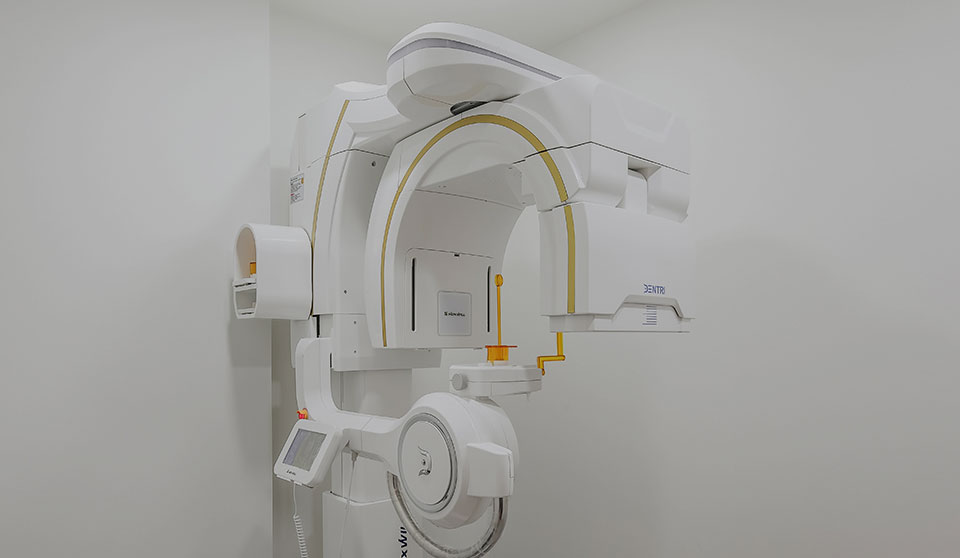
3D-CT CHECKUP
Accurate inspection to
prevent needless resection
By using 3D-CT imaging,
it is able to accurately compare the pre-surgery
and post-surgery outcomes and comprehend
the specific bone structure that differs from
what it seems to be on the exterior.
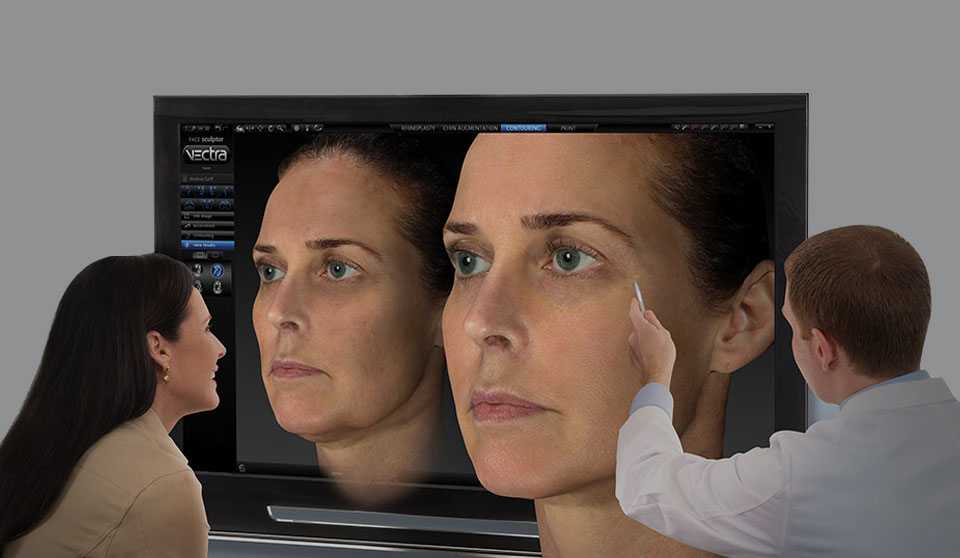
3D VECTRA
Preoperative Prediction System
Vectra Scanner
Prior to surgery, the precise analysis used
to validate the present facial line and structure
in three dimensions in addition to measuring
the unique volume of the face that only
each person has,
such as the thickness of the bone
and the size of the facial muscles.
You may examine and confirm a more appropriate line
in advance
by anticipating certain surgical outcomes,
such as the facial line that best matches
your face
and the facial line you desire.
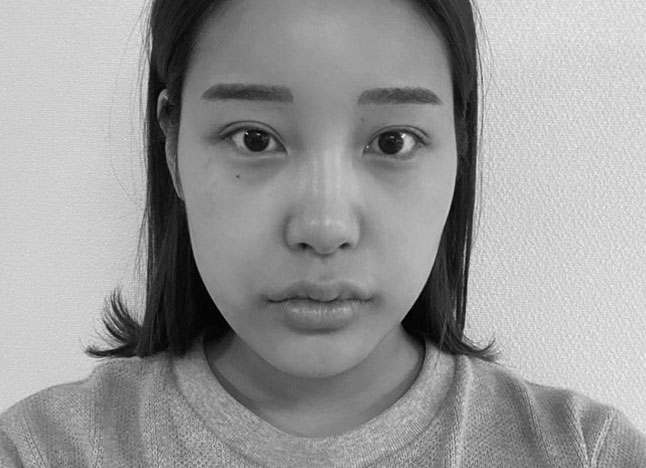
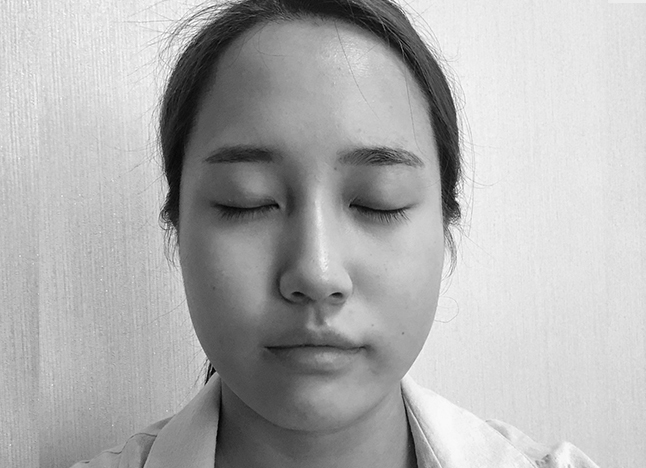
Unadorned
before and after
photos of the
changed me
View more








Meet with
various contents.
Eight Youtube


Who are the top two skilled
surgeons to be revealed?!
What is the real mind of a YouTuber doctor?
Vlog


Please take a look if you're
considering plastic surgery.
A Guideline for Making
Wise Surgical Decisions

How many points
do you think you look like out of 1 to 10?
How to change my mood
without surgery