
Mamilliplasty
Though it is a small area,
it effectively provides
beauty and functionality.
When the nipples are enormous or lengthy in
comparison to the breast, or when they are flat
and inverted without protruding because of
congenital or breastfeeding issues, surgery is
necessary. Correction is available with balanced
size and shape that complements the breast
Operate by maintaining
the nipple sensation and
milk ducts.
The position of nursing mothers is taken
into account while performing surgery, and
the milk duct is not harmed in any manner.
In order to ensure that the nipple's sensitivity
is unaffected after surgery, the milk duct is kept
as much as possible, along with the neurons and
blood vessels that supply it.

Surgical Details

Operation
time
About 30 minutes
to 1 hour

Anesthesia
method
General anesthesia

Hospitali
-zation
None

Stitch
removal
None

In-hospital
treatment
1-2 times

Recovery
period
About 3-4 days
Inverted nipples and abnormal nipples
requiring nipple reduction
-
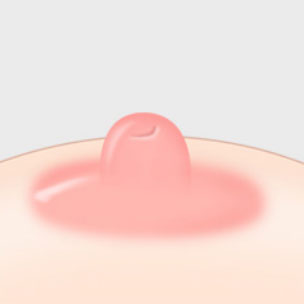 1
1
Normal nipples
Areolas that range in
size from
3.5 to 4.5 cm
on average, have a
nipple
diameter of 1 cm or less,
and have a protruding
form that
is 7 to 9 mm
in height. -
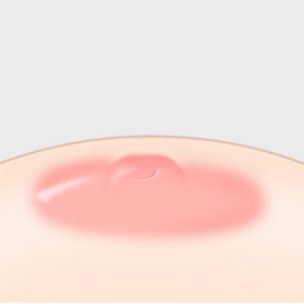 2
2
Inverted nipples
Nipples that are flat
or tucked into
the
breast and do not
protrude -
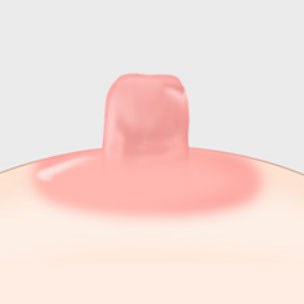 3
3
Nipple requiring
nipple reductionWhen the nipple is too
big in
comparison to
the areola or
sags
downward
Method for inverted
nipple surgery according to
preservation of the milk duct
Ductal preservation
method01
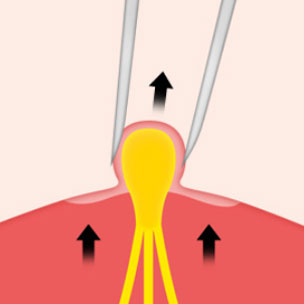
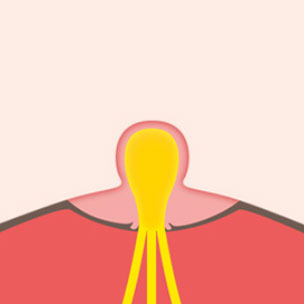
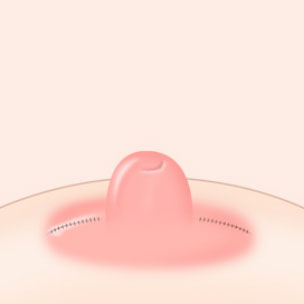
It is a surgery performed where the nipple is removed
by pulling on
the skin around it. Because it doesn't
harm the milk duct, nursing is
possible after a little
procedure, and recovery is quick. Surgery with
this
method, however, could be challenging if the dent
is severe.
-
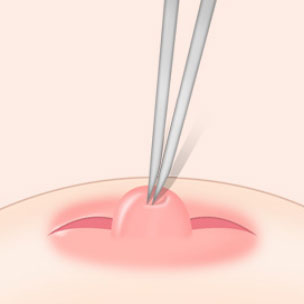 1
1
Incision on both sides
of the nipple -
 2
2
Stretching the fibrous
tissue that pulls the
nipple down -
 3
3
Make a tunnel
beneath the nipple
and then push the
nipple out -
 4
4
Sutured in
papillary shape
Non-ductal
preservation method02
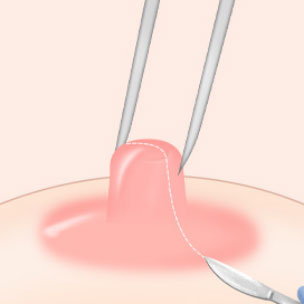
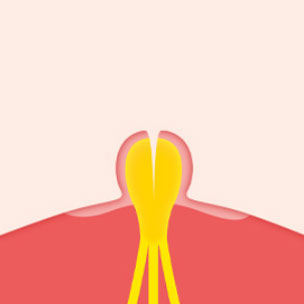
As the nipple is what causes inverted nipples,
this surgical procedure
lifts the nipple and exfoliates
the tissue to raise the nipple. There may
be damage
to the milk duct, making breastfeeding difficult.
It has a
remarkable aesthetic improvement impact
and is appropriate for severe
depression or
recurrence after surgery.
-
 1
1
Remove the inverted
nipple and incise
both sides -
 2
2
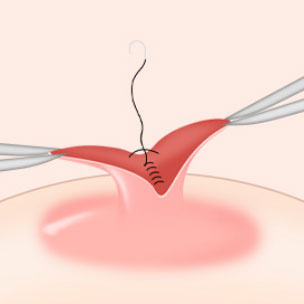
Pulling the nipple
down while cutting
hard fibrous tissue -
 3
3
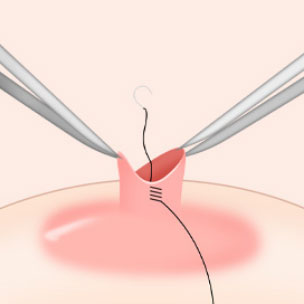
Make a triangular flap
-
 4
4
To prevent the nipple
from denting, suture
after fixing
Nipple reduction
surgery method according to
preservation of milk duct
Ductal preservation
method01
(if nipples are long and wide)
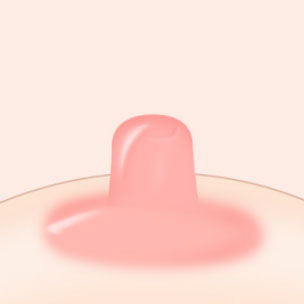
In order to raise the size or height of the nipple,
a portion of the central or
top section of the nipple
is surgically removed and them sutured again.
Because it doesn't harm the milk duct, breastfeeding
is feasible. It is appropriate
for women who are single
in cases when breast reduction is not extreme.
-
 1
1
Incision at the nipple
in the middle or
lower section -
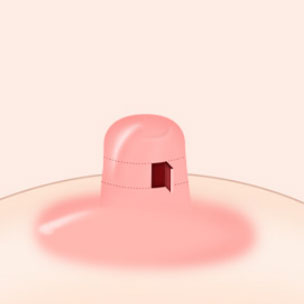 2
2
Removal of skin
from the nipple root -
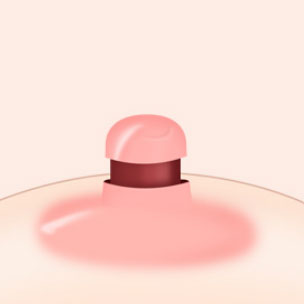 3
3
The nipple is
positioned near to
the areola after skin
excision -
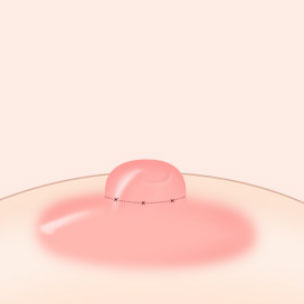 4
4
Sutured in
papillary shape
Non-ductal
preservation method02
(if the size of the nipple is extremely large)
The top portion of the nipple is cut into a V shape
and then sutured
in order to minimize the size of
the nipple, however breastfeeding is
difficult since
the milk duct is obstructed.
-
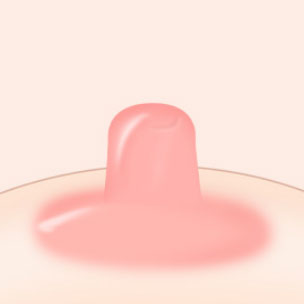 1
1
V-shaped incision on
the nipple's top
portion -
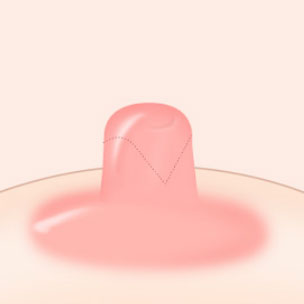 2
2
Using a V-shaped
incision, the top
portion of the nipple
is resected -
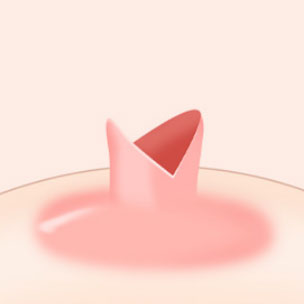 3
3
Only the bottom
portion of the nipple
is sutured after the
top portion is excised -
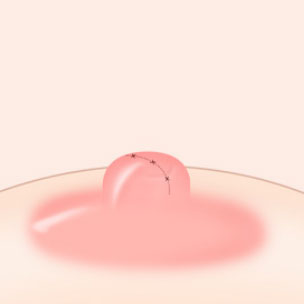 4
4
Maintain the nipple's
shape with careful
suturing
Individualized
safety type
based on expertise
Individualized
safety type
based on expertise
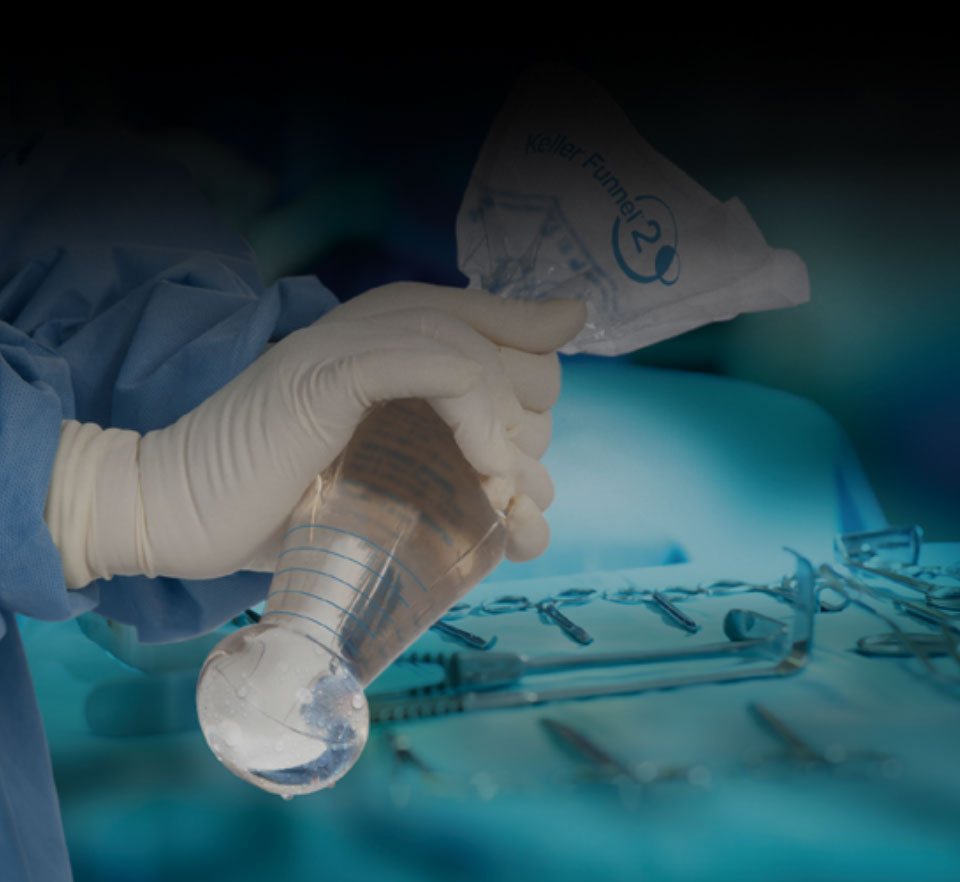
Air-UNTACT SYSTEM
Implant insertion with minimum air contact
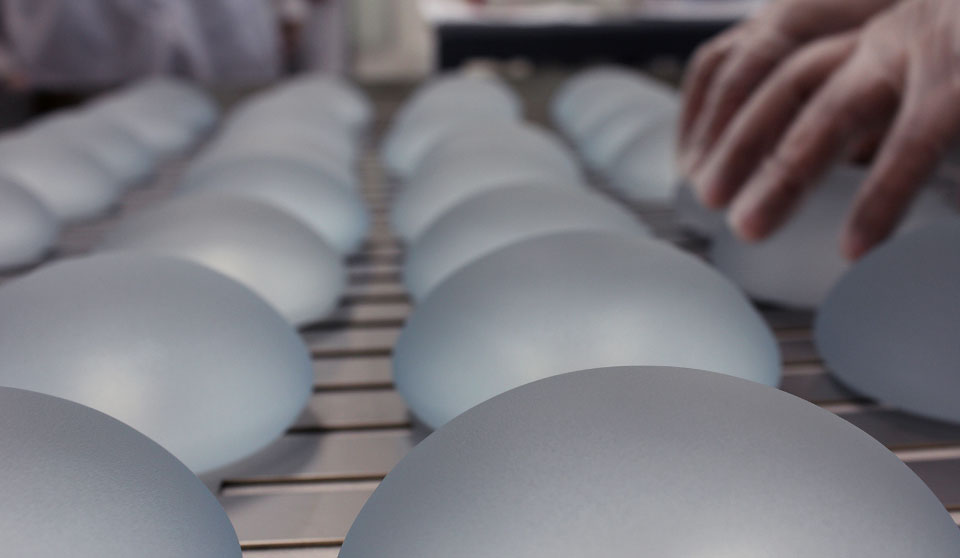
It is a method for properly positioning the implant
with little pressure
and without touching it.
The implant may be placed with
just a little incision,
minimizing bleeding and tissue damage
while also minimizing postoperative pain
and capsular contracture.
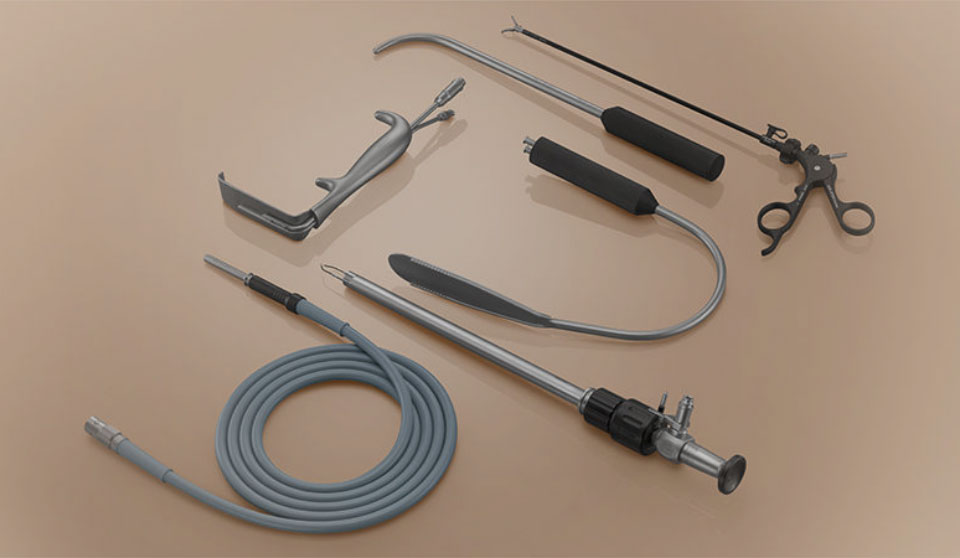
4K FULL HD ENDOSCOPE
Precise dissection without damage to blood vessels
and nerves up to the lower chest area
The 4K HD endoscope, which can inspect even
the tiniest blood vessels and nerves,
is used up to
the bottom of the chest to delicately exfoliate only the
exact design area
in order to create a dry pocket
that is the proper shape and size.
360-degree exfoliation is carried out for a beautiful
curvature of the breast
in order to avoid broadening of
the sternum or lowering of the implant.
DUAL-PLANE 3D
Tactile sensation determined by
implant placement and method
In this procedure, the implant is wrapped up
and down by inserting
the upper part beneath
the muscle and the lower half under the fascia.
It is possible to generate a soft feel and a natural
underlining of the
breast even while laying down
with this method, and there is minimal
change in shape.
It also has an incredibly low incidence of
capsular
contracture.

3D VECTRA
3D ultra-high resolution body line scanning
for design prediction
Prior to surgery, we take exact measurements of
each patient's body form,
including breast volume,
nip distance, and asymmetry. Through careful
analysis
of these measurements, the existing body line and
structure are
verified in three dimensions.
By anticipating certain surgical outcomes,
such as
the size you want and implants that fit your body type,
you may evaluate and confirm the matching
breast form in advance.
Program for
postoperative treatment
to accelerate recovery
The kind of operation determines the treatment strategy,
as well as the time, interval, and progress that may be
managed. In order to optimize the advantages of surgery
and minimize side effects, Eight runs a post-surgical
care program for each part.
SCAR MANAGEMENT

In order to limit the amount of scarring after surgery, skin suture tape
and a specific coating agent for bacterial protection are used.
A scar management program appropriate for the healing period,
such as scar laser and vitamin moisturizing management, is used to treat it.
SKIN REGENERATION
It is possible to manage for a variety of reasons by irradiating the
irritated area after surgery with the wavelength and intensity of light
that is appropriate for the therapeutic purpose, such as Heallight
and Smartlook. It is a wise management to do promptly.
SWELLING MANAGEMENT
Using high-frequency equipment, swelling is handled in accordance
with surgical items and individual conditions in order to reduce pain,
swelling, and bruising. It aids in restoring the softness and elasticity
of toughened skin.
BREAST IMPLANT WARRANTY
Implant warranty insurance will be provided to deal with problems
that might occur after surgery. A free revision or reoperation is
provided if an issue arises within a year. For a period of up to ten years,
the implant will be replaced without charge in the event of rupture or
capsular contracture stage 3–4.
SCAR MANAGEMENT
In order to limit the amount of scarring
after surgery, skin suture tape and a specific
coating agent for bacterial protection are used.
A scar management program appropriate for
the healing period, such as scar laser and
vitamin moisturizing management, is used to treat it.
SWELLING MANAGEMENT
Using high-frequency equipment, swelling is
handled in accordance with surgical items and
individual conditions in order to reduce pain,
swelling, and bruising. It aids in restoring the
softness and elasticity of toughened skin.
SKIN REGENERATION
It is possible to manage for a variety of reasons
by irradiating the irritated area after surgery with
the wavelength and intensity of light that is
appropriate for the therapeutic purpose, such as
Heallight and Smartlook. It is a wise management
to do promptly.
BREAST IMPLANT WARRANTY
Implant warranty insurance will be provided to
deal with problems that might occur after surgery.
A free revision or reoperation is provided if an issue
arises within a year. For a period of up to ten years,
the implant will be replaced without charge in the
event of rupture or capsular contracture stage 3–4.
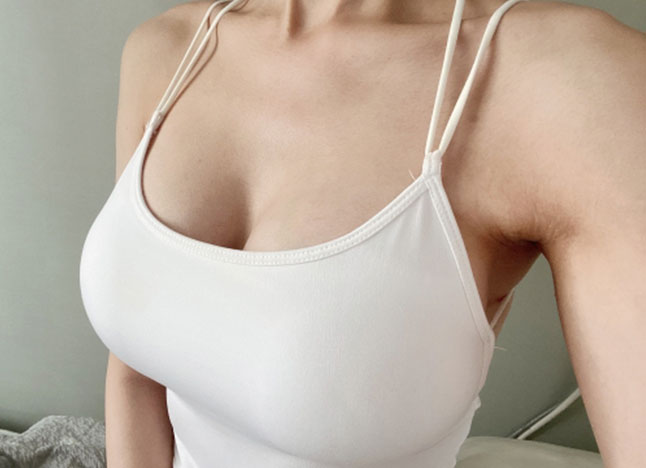
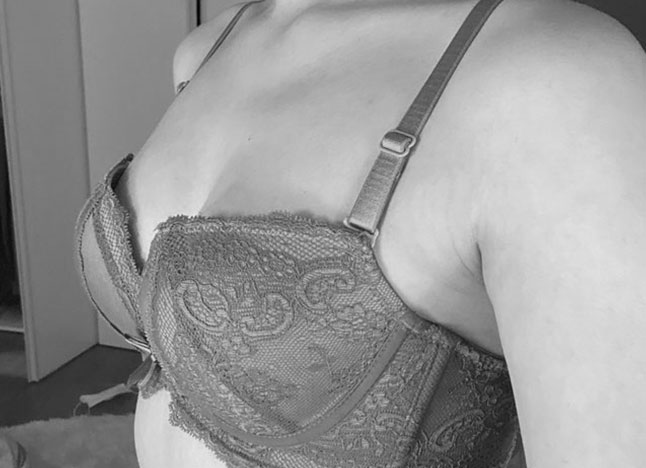
Unadorned
before and after
photos of the
changed me
View more

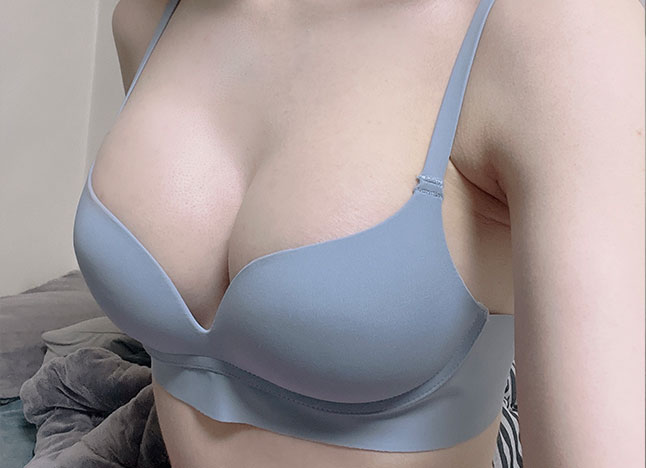
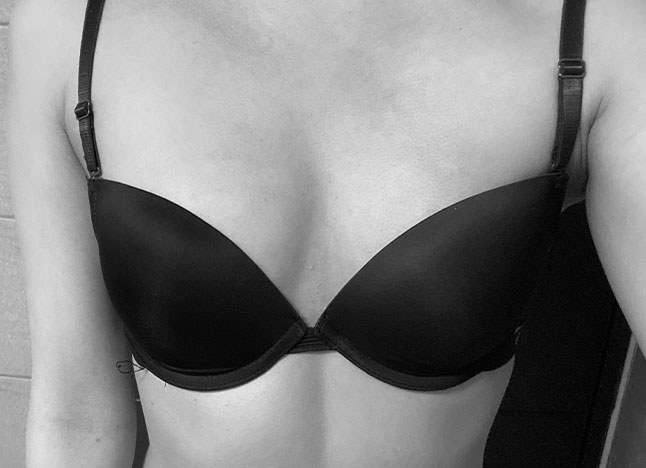
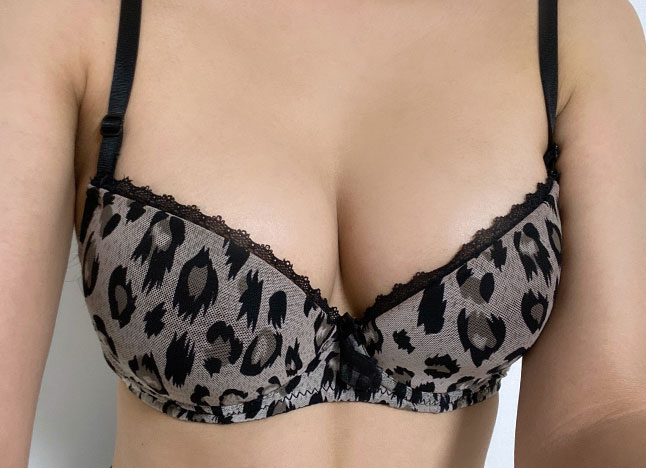
Meet with
various contents.
Eight Youtube

People regret have
breast surgery after a while.
Why?


Should I lose weight
Should i get in Summer?
I will decide the right time for
breast surgery

Cleavage formed even
if you don't gather the breast?
“Review of Breast Surgery”
Breast surgery, which I had been
worrying about, finally did it... !
Real Review of Breast Surgery

Do you feel pain and heat
after breast surgery?
There's a different reason for breasts
Clips of Breast Surgery Side Effects
Clear in one part
I will summarized it for you