
Functional Rhinoplasty
The treatment of nasal problems
and the completion of attractive lines
In order to avoid the nose line from deforming
over time and the return of nasal congestion
after rhinoplasty, cosmetic surgery on the bridge
and tip of the nose should be done after treating
internal illnesses and functions of the nose.
Satisfactory outcomes by fixing
from the nose's foundation
A bent nasal septum is often the primary factor
in severe nasal congestion. Because core functions
are addressed first, a thorough pre-surgery
evaluation and diagnosis provide more satisfying
outcomes.
Surgical Details

Operation
time
1 hour

Anesthesia
method
Sleep
anesthesia

Hospitali
-zation
None

Stitch
removal
about
7 days later

In-hospital
treatment
2-3 times

Recovery
period
about
7 days
The cause of chronic
nasal congestion
that causes rhinitis
and sinusitis
-
 1
1
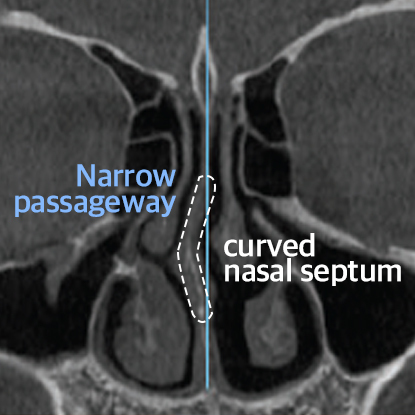
Septal deviation
Most hooked or hunched
noses
also have a septal
deviation.
When the
nasal septum is severely
deviated, it may lead to
conditions
including
sinusitis, rhinitis, and
nasal congestion, which
can be
uncomfortable
in daily life.
Before
surgery, we carefully
assess
if there is a nasal
septal deviation
and
work to fix it as well
as
the nose line. -
 2
2
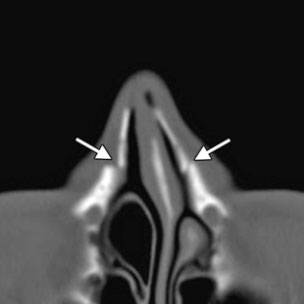
Nasal valve stenosis
The roof-like area at
the top of the
nasal
septum, which is a
crucial
component
that governs breathing,
feels stuffy even though
it is slightly
narrowed.
When nasal valve
stenosis is present,
nasal congestion
is
relieved surgically and
by nasal
septum
curvature. -
 3
3
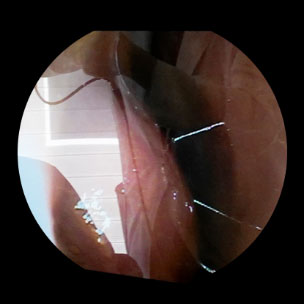
Hypertrophic rhinitis
Rhinitis may become
chronic if it is
not
actively treated in the
beginning,
so early
treatment is crucial
since it
can lead to
additional issues and
is
difficult to treat.
It's critical to
determine
the correct reason of
rhinitis's occurrence
and treat it
accordingly.
Enhancing the
nose's interior
function
as well as
its shape and angle
-
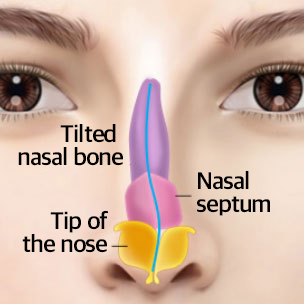 1
1
Ensure that the nasal
septum is properly
improved to prevent
the nasal septal
deviation from
becoming worse as
a
result of the
pressure
from the nose
bridge
implant. -
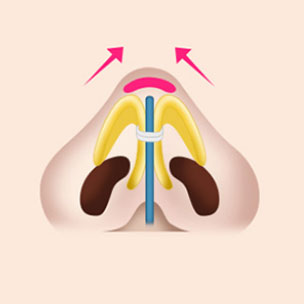 2
2
The improved bent
nasal septum is
tightly
supported
to avoid the
nose
bridge deforming
and distorting. -
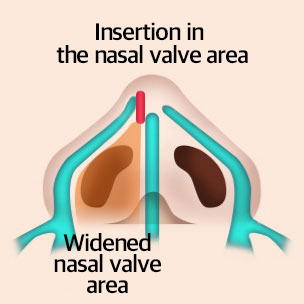 3
3
Create a breathing
gap by inserting the
gathered septal
cartilage through the
nasal valve's tiny
opening. -
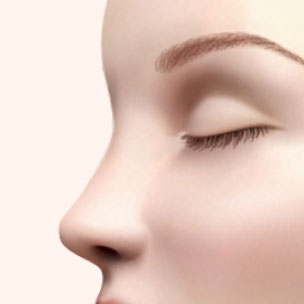 4
4
Relaxed respiration
with regular airflow.
Adjusting the
nasolabial angle
and nose shape
results in a prettier
nose.
Personalized safety plastic surgery
based on skilled experience
Personalized safety
plastic surgery based on
skilled experience
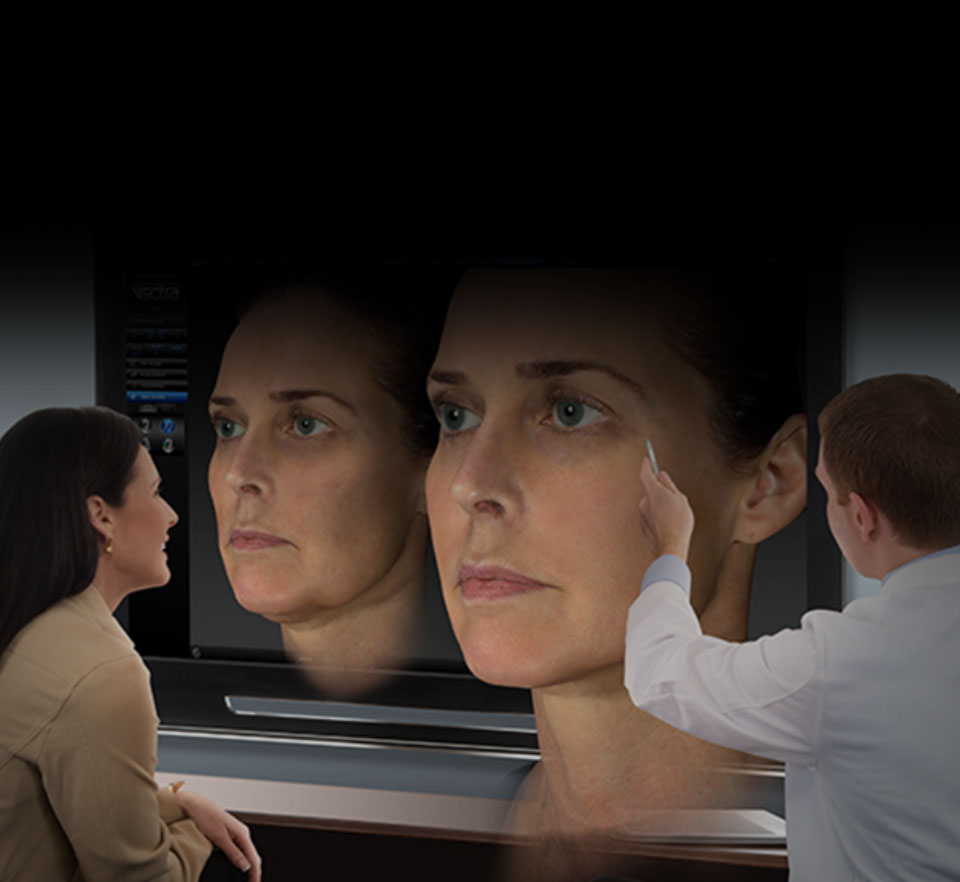
3D VECTRA
Design prediction using
3D super-resolution faceline scanning
In order to develop an appropriate height and form,
3D Vectra,
a cutting-edge analysis tool, carefully
examines numerous elements
such the present
appearance of the complete face, the breadth of
the forehead, and the degree of protrusion of the
forehead and chin.
Straight from the front, smooth
from the side, and attractive from
any and all angles,
I t completes a line that is suitable for each person.
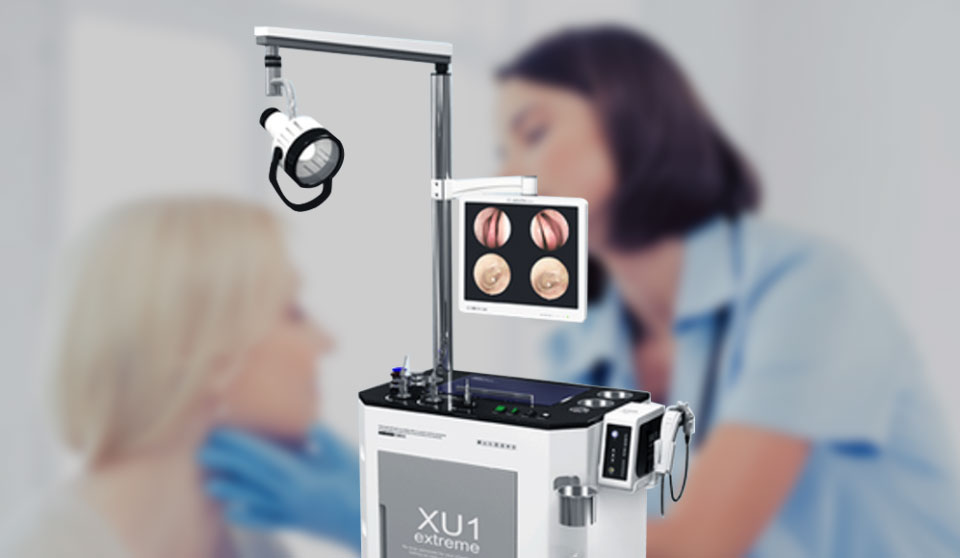
XU1 ENDOSCOPE
Detailed surgical strategy that fully
understands the internal anatomy of
the nose even in its unseen areas
At the same time, functional illnesses are improved
by using
cutting-edge endoscopic technology
that can precisely see
inside components
that are undetectable to the human eye.
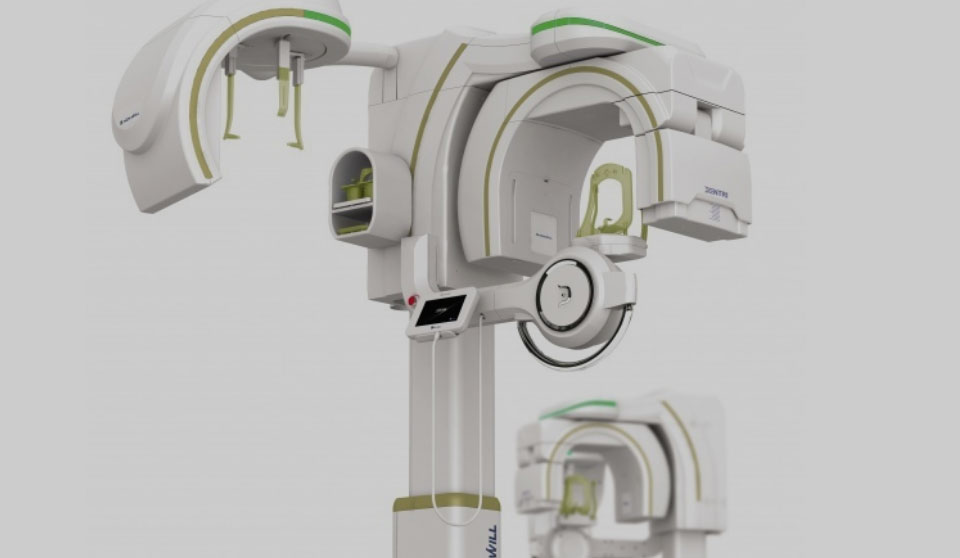
3D-CT CHECKUP
Detailed surgical strategy that fully
understands the internal anatomy of
the nose even in its unseen areas
By using 3D-CT imaging, it is able to accurately
compare
the pre-surgery and post-surgery
outcomes and comprehend
the specific bone
structure that differs from what it seems to
be on the exterior.
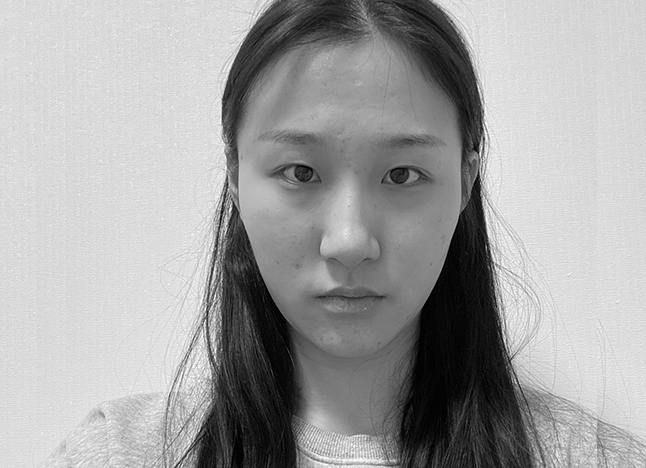
Unadorned
before and after
photos of the
changed me
View More

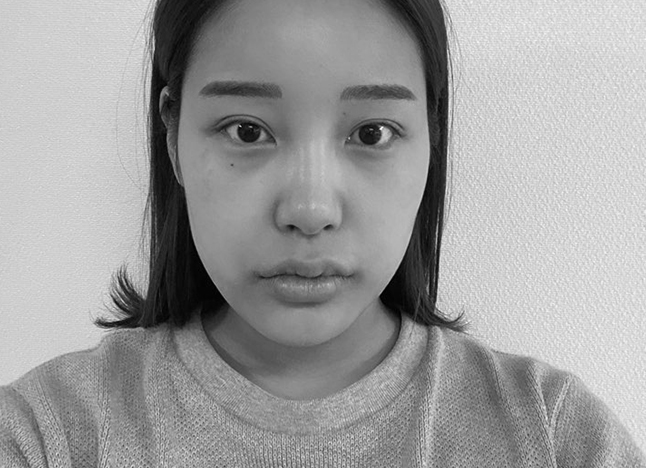





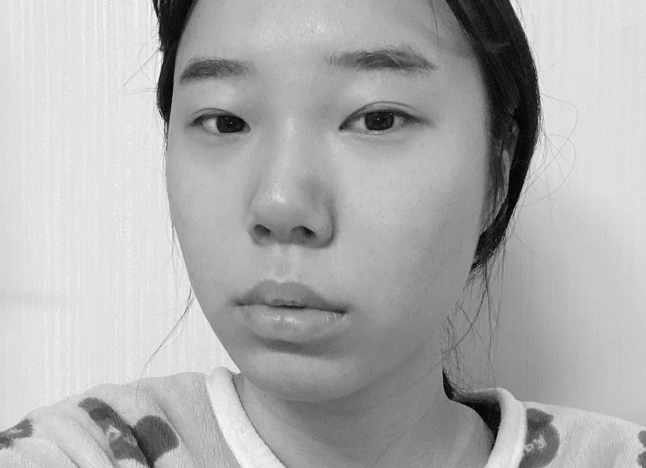

Meet us with
various contents.
Eight Youtube
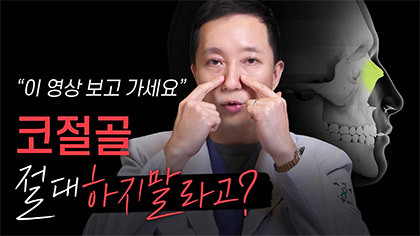
When you have a nose operation,
you have to have a nose cut
Dangerous and ineffective?

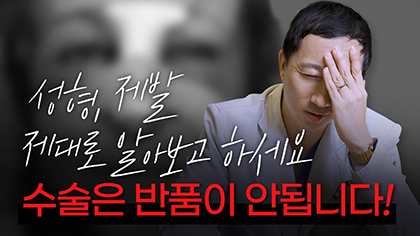
You cannot return
the nose surgery
even if you are not satisfied with it.

Inflammation. Is the doctor at blame,
or is it the patient?
Side Effects of Rhinoplasty Part 1

Nose plastic surgery, horse cartilage
instead of donated rib cartilage?
Unveiled horse cartilage for the first time

Smoking is permitted after rhinoplasty.
But don't let the doctor
use them as an excuse!