
Forehead lift
Natural improvement
of the upper face area with
knowledge of aging
Weakness of the muscles that move the eyebrows
and the ones that open and shut the eyes contributes
to upper face wrinkles. As a result, rather than
indiscriminately incising and pulling the skin, the
operation is carried out taking into account the depth
and position of wrinkles as well as the degree of
asymmetry of the eyebrows.
Reduce the risk of scarring
by just making a small incision
on the inside of the scalp.
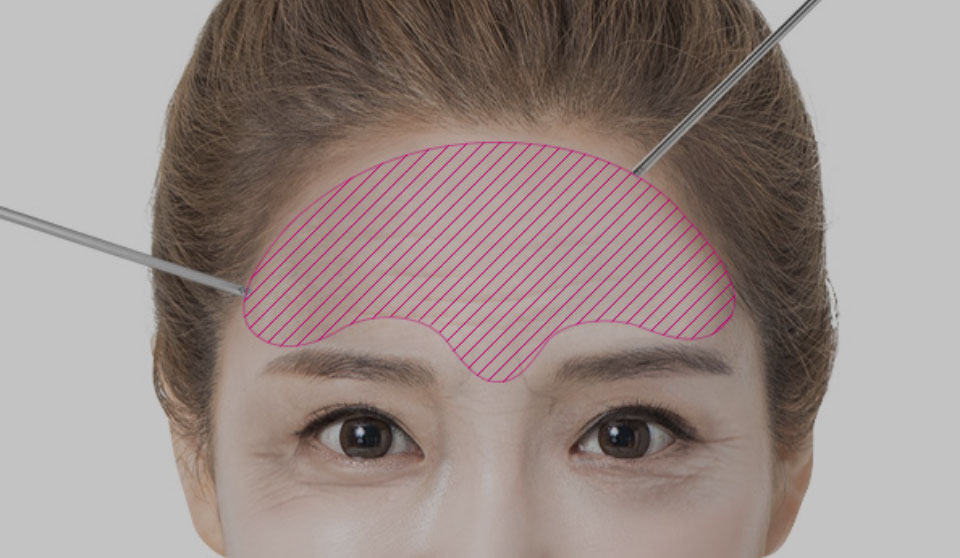
A small incision is made inside the scalp to lessen the
stress of incision and scarring. The incision point is
chosen based on the depth of each individual
forehead wrinkle, the degree of sagging eyebrows,
the degree of asymmetry of the eyebrows, the
direction and depth of forehead and glabellar wrinkles.

Surgical Details

Operation
time
About 1 hour

Anesthesia
method
General
anesthesia

Hospitali
-zation
None

Stitch
removal
About 7
days later

In-hospital
treatment
2-3 times

Recovery
period
About
7-10 days
Method of making an
incision for
a forehead lift based on the
amount of sagging and the
direction of wrinkles
PARTIAL INCISION

The weight of scars is lessened since the procedure is carried through
a little incision on the inside of the scalp. It may be reborn as a smooth
forehead since itlifts and tightens sagging forehead muscles while being
cautious with nerve damage.
FULL INCISION
It is a surgical method that can be performed when the sagging of the
forehead muscles is significant due to aging. It is feasible to more
successfully treat the upper face's aging symptoms since it is done
through a full incision.
PARTIAL INCISION
The weight of scars is lessened since the procedure
is carried through a little incision on the inside of
the scalp. It may be reborn as a smooth forehead
since itlifts and tightens sagging forehead muscles
while being cautious with nerve damage.
FULL INCISION
It is a surgical method that can be performed when
the sagging of the forehead muscles is significant
due to aging. It is feasible to more successfully treat
the upper face's aging symptoms since it is done
through a full incision.
The know-how to
reduce sagging
without causing
tissue damage
The know-how to
reduce sagging
without causing
tissue damage
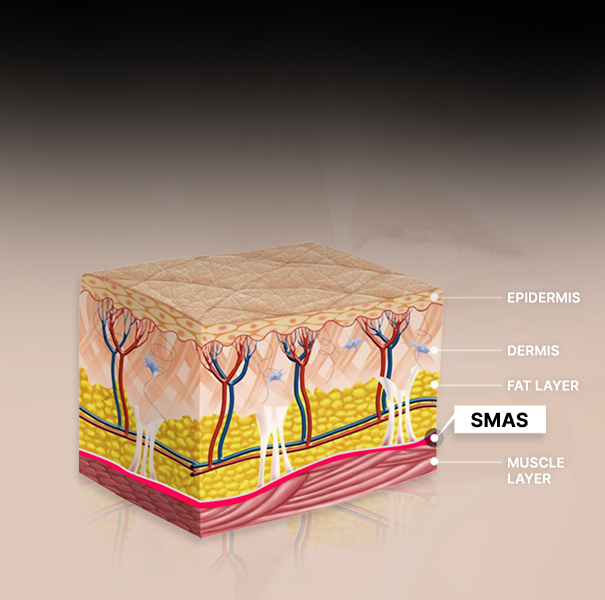
SMAS LIFTING
Cause of aging, SMAS layer
The fascia that enfolds the muscles underneath the
skin's fat layer is
known as the SMAS layer. The skin
and fat layer sag together when
the SMAS layer
weakens and stretches as a result of age or surgery.
The outcomes are better when the SMAS layer is
brought together
during lifting surgery, rather than
merely the outside skin.
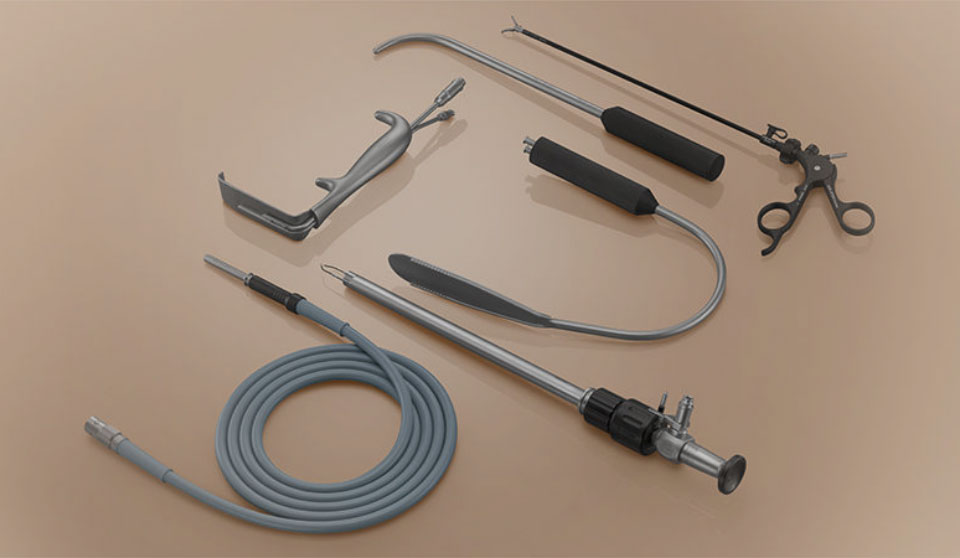
4K FULL HD ENDOSCOPE
Reduce the risk of scarring by making a
small incision in front of the ear.
Only a few small incisions are made in the hairline and
in front of the ears
during the procedure. Due to the
hair, the scar is not apparent in the incision
within the
hairline, and after approximately three months,
the scar in front
of the ear diminishes and becomes
practically imperceptible.
NERVE PRESERVATION
Medical professionals' expertise in
minimizing bleeding and nerve damage
Numerous vital blood arteries and nerves that supply
the eyes and
those that control the scalp's senses
flow through the forehead in
this area. At this point,
limiting nerve injury and bleeding through a
sensitive
surgical operation with an HD endoscope may be
stated to be
Eight's unique know-how. In order to lift
up the sagging skin, an incision
and peeling process
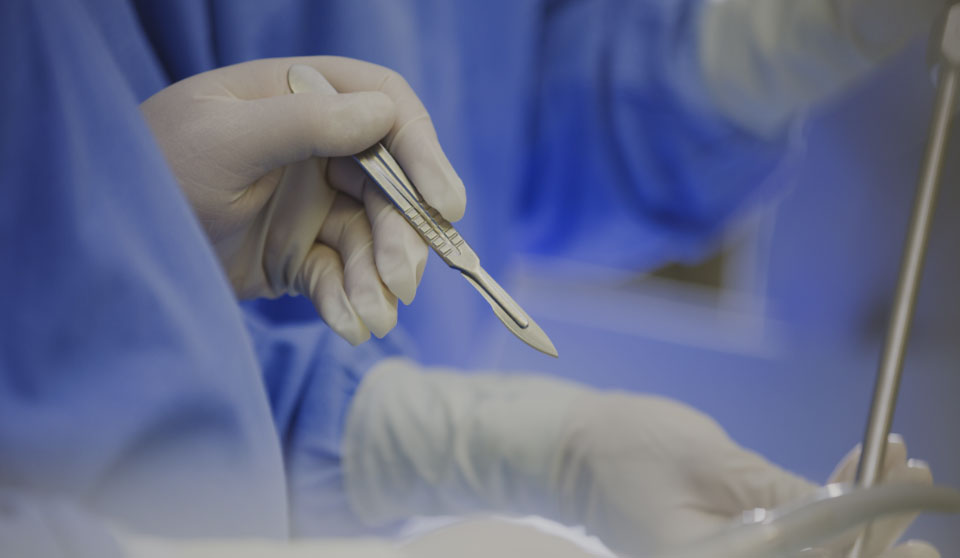
are unavoidable. An expert plastic surgeon must
execute the surgery.
The importance of exfoliation
ACCURATE AND SAFE OPERATION
Knowledge of precise and clean peeling
along the fascial (SMAS) layer
Exfoliation is the procedure used to separate the
muscular layer from
the skin tissue. Just as wrinkles
in skin tissue may be addressed by pulling
them out,
the only way to get a noticeable lifting effect is to
pull out the
muscle layer that is left after removing the
wrinkled muscle layer. For a
quicker recovery and
more durable benefits, a clean and accurate dissection
along the fascial (SMAS) layer ensures less blood loss,
less bruising, and
less swelling.
Meet with
various contents.
Eight Youtube

I visited for blepharoplasty,
but I was suggest
a forehead
lift instead?


What is your favorite
'dermatology' procedure
that the 'plastic surgery' director
is talking about?

Why don't you ?
get plastic surgery?
"Let me tell you why"

Would you permit plastic surgery
if my family requested it?
What response
has
the CEO of Eight provided?